

Choosing the right gift is not always easy. Whether you’re shopping for a birthday, anniversary, holiday celebration, graduation, or special milestone, finding something meaningful can feel overwhelming. This is why many people search for different types of presents before making a decision.
The truth is that the best gifts are not necessarily the most expensive ones. A thoughtful present that matches the recipient’s interests, personality, or needs often creates a stronger emotional impact than an expensive item chosen without much consideration.
When exploring the various types of presents, it quickly becomes clear that gifts can serve different purposes. Some are designed to create memories, while others provide practical value. Certain gifts focus on relaxation and self-care, whereas others encourage learning, adventure, or personal growth.
Understanding the most popular types of presents can help you select a gift that feels personal, useful, and memorable. Whether you’re buying for a family member, a romantic partner, a friend, or a colleague, knowing which category best suits the occasion can significantly improve your decision-making process.
In this guide, we’ll explore the most appreciated types of presents, explain the popular four-gift rule, and help you identify which gift category works best for different people and celebrations.
You might be interested in: 10 melhores presentes personalizados para surpreender em qualquer ocasião

Top 10 types of presents that people genuinely appreciate
Not all gifts are remembered equally. Some remain meaningful for years because they create emotional connections, solve a real need, or provide memorable experiences. The following types of presents consistently rank among the most appreciated options across different age groups and occasions.
1. Experience gifts: memories that last longer than objects
Experience-based gifts have become increasingly popular over the last decade. Instead of receiving a physical item, the recipient enjoys an activity, event, or adventure that creates lasting memories.
Examples include:
- Concert tickets.
- Cooking classes.
- Weekend getaways.
- Spa treatments.
- Wine tastings.
- Adventure activities.
- Guided tours.
One reason these types of presents are so effective is that experiences often generate stronger emotional memories than material possessions. People tend to remember how an experience made them feel long after they have forgotten a physical gift.
Experience gifts are particularly effective for individuals who value travel, personal growth, entertainment, or quality time with loved ones.

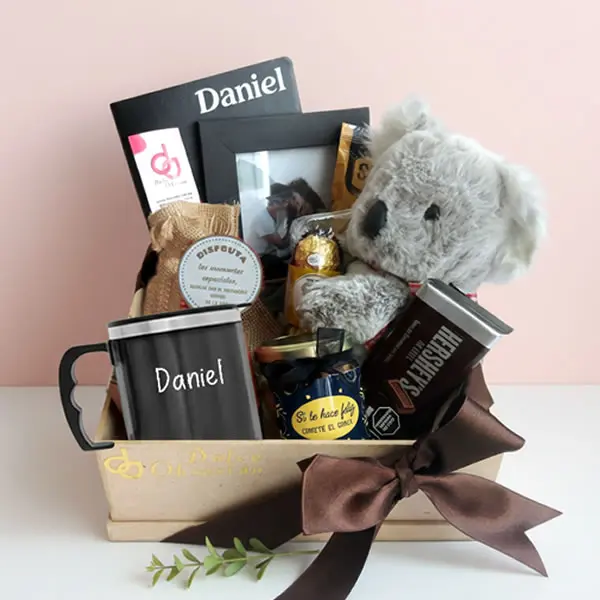
2. Personalized gifts: meaningful presents with emotional value
Among all types of presents, personalized gifts often carry the greatest emotional significance.
Customization transforms an ordinary item into something unique. It shows that the giver invested additional thought and effort into selecting the gift.
Popular examples include:
- Engraved jewelry.
- Personalized photo albums.
- Custom artwork.
- Monogrammed accessories.
- Personalized books.
- Custom home décor.
The value of personalized gifts lies in their uniqueness. They are specifically designed for one individual, making them difficult to replace and highly memorable.
These types of presents are especially popular for anniversaries, weddings, birthdays, and milestone celebrations.
You might be interested in: Corporate gift giving etiquette in Europe: the unwritten rules every business should know
3. Practical gifts: useful items people actually need
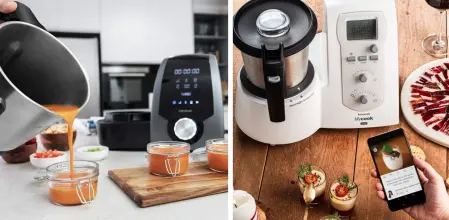
Some people appreciate gifts that improve their daily lives. Practical gifts may not always seem exciting at first glance, but they often become some of the most appreciated presents because they provide long-term value.
Examples include:
- Kitchen appliances.
- Office equipment.
- Home organization products.
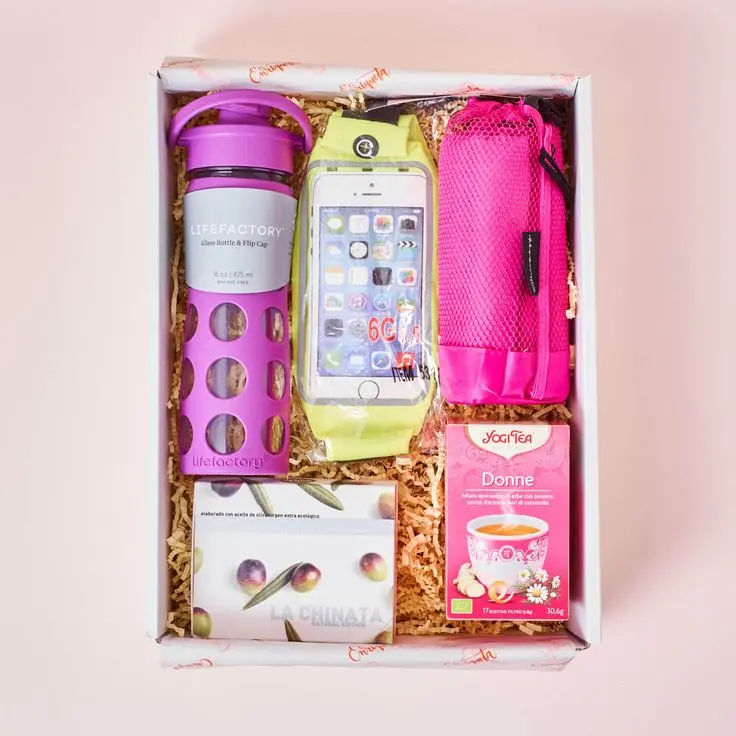
- Fitness accessories.
- Travel essentials.
- Technology devices.
Practical types of presents work particularly well when the giver understands the recipient’s lifestyle and current needs.
A carefully selected practical gift demonstrates attentiveness and can make everyday activities easier and more enjoyable.
4. Hobby-related gifts: supporting personal passions
One of the smartest approaches to gift-giving is focusing on the recipient’s hobbies and interests.
People naturally appreciate gifts that support activities they already enjoy.
Examples include:
- Art supplies for artists.
- Sports equipment for athletes.
- Gardening tools for gardening enthusiasts.
- Musical accessories for musicians.
- Photography equipment for photographers.
- Gaming accessories for gamers.
These types of presents demonstrate that you understand and support the recipient’s passions.
When selecting hobby-related gifts, it helps to have some knowledge of the activity itself to ensure the present is genuinely useful.
You might be interested in: 10 activités à faire en couple à la maison
5. Luxury gifts: premium experiences and exclusive products
Luxury gifts occupy a special category among the different types of presents. They are often chosen for significant milestones or important celebrations.
Luxury gifts may include:
- Designer accessories.
- Premium watches.
- Luxury hotel stays.
- Fine dining experiences.
- Exclusive memberships.
- High-end technology.
The appeal of luxury gifts comes from their exclusivity, quality, and attention to detail.
However, successful luxury gift-giving requires understanding the recipient’s preferences. Expensive gifts do not automatically become meaningful unless they align with the person’s interests and lifestyle.

6. Travel gifts: ideal for people who love exploring
Travel-related gifts have become one of the fastest-growing types of presents in recent years.
Many people now prioritize experiences and adventures over material possessions. Travel gifts support that preference by encouraging exploration and creating opportunities for memorable experiences.
Popular travel gifts include:
- Airline gift cards.
- Travel vouchers.
- Luggage sets.
- Travel organizers.
- Guided tours.
- National park passes.
- Travel journals.
Travel-focused types of presents often provide excitement even before the trip begins, as recipients start planning their next adventure.
For individuals who value experiences over possessions, travel gifts can be among the most meaningful options available.

7. Wellness gifts: promoting relaxation and self-care
Modern lifestyles can be stressful, making wellness-focused gifts increasingly attractive.
These types of presents prioritize physical, emotional, and mental well-being.
Examples include:
- Massage treatments.
- Meditation subscriptions.
- Aromatherapy products.
- Spa packages.
- Yoga equipment.
- Sleep improvement products.
Many recipients appreciate wellness gifts because they encourage self-care and relaxation, something that people often neglect in their busy routines.
These presents are especially appropriate for individuals experiencing high levels of stress or significant life transitions.

8. Subscription gifts: presents that continue throughout the year
Unlike traditional gifts that are received once, subscription-based presents continue providing value over an extended period.
Popular subscription options include:
- Book clubs.
- Streaming services.
- Meal kits.
- Specialty coffee deliveries.
- Educational platforms.
- Beauty boxes.
These types of presents create anticipation because recipients receive ongoing benefits throughout the subscription period.
They also allow the gift-giver to provide a longer-lasting experience compared to many traditional gifts.

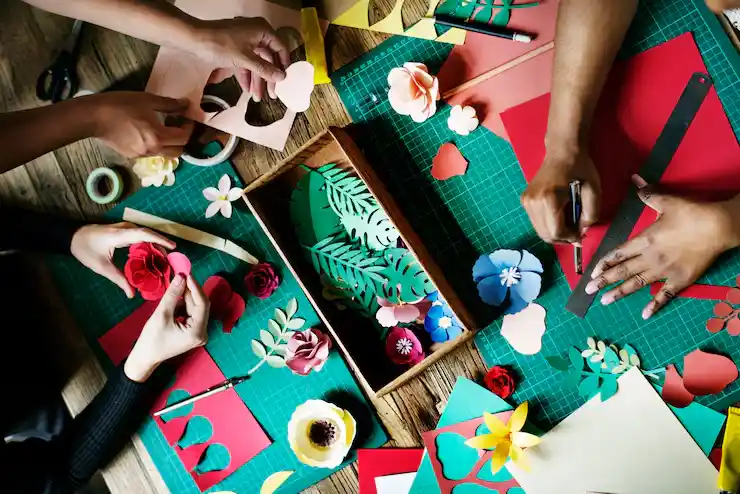
9. Handmade gifts: unique and heartfelt creations
Handmade gifts remain among the most meaningful types of presents because they often require considerable effort and personal involvement.
Examples include:
- Handmade crafts.
- Knitted clothing.
- Homemade baked goods.
- Scrapbooks.
- Artwork.
- Handwritten memory books.
The emotional value of handmade gifts frequently outweighs their monetary value.
Many recipients appreciate the time, creativity, and personal investment involved in creating something specifically for them.
10. Educational gifts: learning-focused presents for personal growth
Educational gifts support curiosity, skill development, and lifelong learning.
These types of presents are particularly valuable because they contribute to personal growth and future opportunities.
Examples include:
- Online courses.
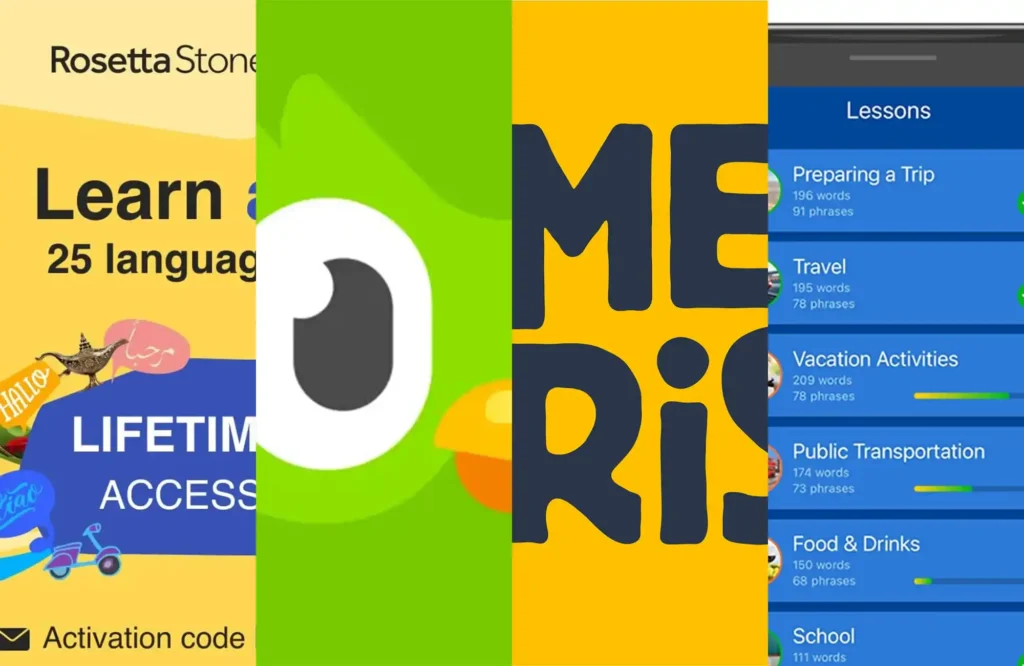
- Language-learning programs.
- Educational books.
- Workshops.
- Professional certifications.
- Skill-development subscriptions.
For individuals who enjoy learning, educational gifts can provide benefits that extend far beyond the initial occasion.
They represent an investment in knowledge, personal development, and future success.
What are the 4 types of presents?
One of the most frequently searched questions when shopping for gifts is: What are the 4 types of presents?
Over the years, gift experts and family traditions have popularized a simple yet highly effective framework known as the four-gift rule. Rather than purchasing multiple random items, this approach organizes gifts into four meaningful categories that balance excitement, practicality, personal growth, and usefulness.
The four categories are:
| Gift Category | Main Purpose |
| Something they want | Creates excitement and fulfills a personal wish |
| Something they need | Provides practical value in daily life |
| Something to wear | Offers functionality and personal style |
| Something to read | Encourages learning, imagination, or entertainment |
This system has become increasingly popular because it helps people select more thoughtful types of presents while avoiding unnecessary spending. Instead of focusing on quantity, it prioritizes quality and relevance.
What makes this framework especially effective is that it addresses different aspects of a person’s life. Rather than choosing several similar gifts, it encourages a balanced combination of enjoyment, usefulness, and personal development.
For example, a child might receive:
- A toy they have wanted for months.
- A new backpack for school.
- A comfortable jacket or pair of shoes.
- An age-appropriate book.
Similarly, adults can benefit from the same structure when selecting types of presents for family members, friends, romantic partners, or coworkers.
For an adult recipient, the categories might look like this:
| Category | Example Gift |
| Something they want | Wireless headphones |
| Something they need | Laptop bag |
| Something to wear | Premium sweater |
| Something to read | Best-selling book |
One reason this framework continues to gain popularity is that it simplifies decision-making. Many people become overwhelmed when browsing hundreds of potential gifts online. By focusing on these four categories, choosing among different types of presents becomes significantly easier.
Another advantage is that the recipient often receives a more complete and satisfying gift experience. Instead of receiving several items that serve the same purpose, they enjoy gifts that contribute to different areas of their life.
Why the four-gift rule works so well
The popularity of this system is not accidental. It aligns closely with what psychologists understand about satisfaction and gift appreciation.
People tend to appreciate gifts more when they feel both emotionally connected and practically useful. The four-gift rule naturally combines these two elements.
For instance:
- The «want» category creates excitement.
- The «need» category solves a problem.
- The «wear» category provides daily usefulness.
- The «read» category encourages growth and enjoyment.
This balanced approach helps ensure that recipients feel understood and appreciated.
When comparing various types of presents, many gift experts recommend using this framework because it reduces impulse purchases and increases the likelihood of selecting meaningful gifts.
Adapting the four types of presents for different ages
One of the strengths of this system is its flexibility. The same four categories can be adapted to virtually any age group.
Children
For children, the most popular types of presents often focus on entertainment and development.
Examples include:
- Toy sets.
- Sports equipment.
- Children’s books.
- Educational games.
The goal is to balance fun with learning opportunities.
Teenagers
Teenagers often have more specific interests and preferences.
Examples may include:
- Technology accessories.
- Fashion items.
- Personal development books.
- Hobby-related products.
At this stage, selecting the right types of presents requires paying close attention to individual interests and trends.
Adults
Adults frequently appreciate gifts that combine practicality with personal enjoyment.
Popular examples include:
- Professional accessories.
- Home improvement products.
- Travel experiences.
- Wellness subscriptions.
Among all types of presents, experience-based gifts have become particularly popular among adults because they create memorable moments rather than adding more possessions.
Seniors
Older recipients often prioritize comfort, convenience, and meaningful experiences.
Examples include:
- Family photo books.
- Comfortable clothing.
- Health and wellness products.
- Books related to personal interests.
For this age group, the most successful types of presents often emphasize emotional value and quality time.

How to choose the right present for different relationships?
Even when you understand the various types of presents, selecting the ideal gift still depends heavily on your relationship with the recipient.
Different relationships involve different expectations, levels of familiarity, and emotional connections. A gift that works perfectly for a romantic partner may not be appropriate for a coworker or acquaintance.
Understanding these differences can help you choose among the many available types of presents with greater confidence.
For romantic partners
Partners generally appreciate gifts that strengthen emotional connections and create shared memories.
Some of the most effective types of presents for romantic relationships include:
- Personalized keepsakes.
- Romantic getaways.
- Customized jewelry.
- Couples experiences.
- Memory books.
- Meaningful photo collections.
These gifts often carry emotional significance because they celebrate the relationship itself.
For example, a personalized photo album documenting important milestones can be far more meaningful than a generic luxury item.
When choosing types of presents for a romantic partner, focusing on shared experiences often produces the strongest emotional impact.
For parents
Parents often prioritize thoughtfulness over price.
Many mothers and fathers appreciate gifts that demonstrate appreciation for their efforts and contributions.
Recommended types of presents include:
- Family photo collections.
- Wellness experiences.
- Personalized keepsakes.
- Hobby-related gifts.
- Home improvement products.
- Travel experiences.
Parents frequently value gifts that create family memories or improve their quality of life.
When evaluating different types of presents for parents, emotional significance often matters more than extravagance.
For friends
Friendship gifts provide greater flexibility than many other relationships.
Friends often appreciate gifts that reflect shared interests, inside jokes, hobbies, or memorable experiences.
Popular types of presents for friends include:
- Experience vouchers.
- Hobby-related products.
- Subscription boxes.
- Travel accessories.
- Entertainment gifts.
- Personalized novelty items.
One reason experience-based types of presents work particularly well among friends is that they create opportunities to spend time together and strengthen the relationship.
For coworkers
Professional relationships require a more balanced and neutral approach.
The best types of presents for coworkers are thoughtful without being overly personal.
Suitable options include:
- Premium coffee sets.
- Gourmet gift baskets.
- Office accessories.
- Books.
- Professional planners.
- Desk décor.
These gifts communicate appreciation while maintaining appropriate professional boundaries.
For children
Children often respond positively to gifts that combine fun, creativity, and learning.
Recommended types of presents include:
- Educational toys.
- Building kits.
- Art supplies.
- Interactive games.
- Children’s books.
- Sports equipment.
The most successful types of presents for children encourage curiosity, imagination, and personal development while still providing entertainment.
Ultimately, whether you’re shopping for a partner, parent, friend, coworker, or child, understanding the different types of presents helps ensure that every gift feels thoughtful, relevant, and memorable. The best gifts are not necessarily the most expensive; they are the ones that show genuine understanding of the person receiving them.

Why the best presents are not always the most expensive?
One common misconception is that the value of a gift depends on its price.
In reality, the most memorable types of presents are usually those that demonstrate understanding, effort, and emotional connection.
Consider the difference between:
- An expensive but impersonal gift.
- A modest gift connected to a meaningful memory.
Many recipients remember the second option for years because it reflects genuine thoughtfulness.
Studies in consumer psychology frequently show that emotional relevance plays a larger role in gift satisfaction than financial cost.
When evaluating different types of presents, ask yourself:
- Does this reflect the recipient’s interests?
- Will it improve their life?
- Does it create a meaningful memory?
- Does it show that I know them well?
If the answer is yes, the gift is likely to be successful regardless of price.
Types of presents that create lasting memories
The wide variety of types of presents available today means there is no single perfect gift for every person or occasion.
Some people value personalized keepsakes, while others prefer practical tools, unforgettable experiences, luxury items, or handmade creations. Understanding the different types of presents allows you to move beyond generic gift-giving and choose something that genuinely resonates with the recipient.
Whether you are shopping for a partner, parent, friend, coworker, or child, the best types of presents are those that reflect thoughtfulness, understanding, and intention. A meaningful gift has the power to strengthen relationships, celebrate important milestones, and create memories that last far longer than the moment it is opened.
Ultimately, the most successful types of presents are not defined by price tags but by the positive emotions they inspire. When a gift makes someone feel appreciated, understood, and valued, it has already achieved its purpose.